
Are you aware of any stuck beliefs?
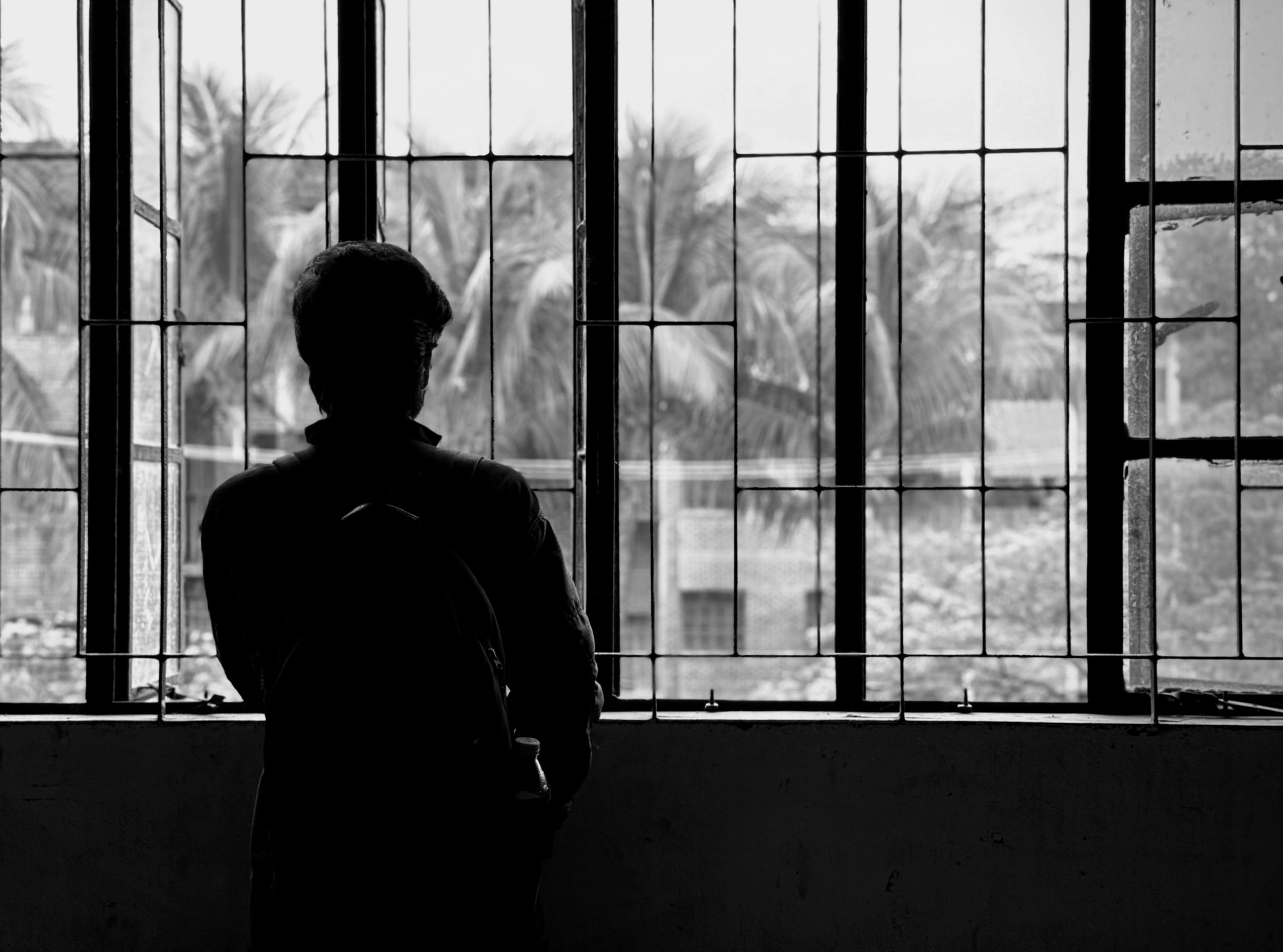
Most of us don’t realise that about 85% of our thoughts are habits, and we are often reacting to our circumstances on autopilot. I’d like to help you use your mind to make informed choices instead.
There are some good reasons our brain does this. There’s limited fuel for the brain to work and it likes to be efficient. Using already established neuron paths – the predictable thinking we already have - means our energy is spared. A new thought takes new energy. Although our brains take up 5% of our body, it uses 20% of our energy, and this hungry organ doesn’t like to change.
On the other hand, if all our thinking started anew every day, we wouldn’t know who we were, what day it was or how to take a spoon out of a drawer. So predictable is useful. The balance is of course to not be in 100% habit, and be aware of what your habits are. That way, if you have any habits that aren’t useful any more, you can do something about changing them.
For example, if you wake up every day dreading all the bad things that could happen and need an energy drink to get you out of bed, this could be a habit that would be fine if you were a teenager, but runs out of steam for adulting.
Once you realise one of your superpowers is being able to choose what you think about, then life becomes a lot more interesting. Because our habits all come from beliefs we hold. These aren’t necessarily religious beliefs about the afterlife or even not chewing with your mouth open, but rather beliefs about what makes life work. Or what makes it not work
For example, have you ever heard someone say something like, “I hate computers and would never work with them”, or “I can’t stand dogs/children/motorbikes and would never have anything to do with them.” All of these are learnt reactions, because the only fear we’re born with is a fear of heights and loud noises. Since all of these are learned fears, they can also be unlearned. As can the things you dislike or cause a fear reaction.
Why is this important? This matters because if we listen to all our untrue fears we can limit our lives and face not being our true selves. For example, I hate not having to do something with friends on a Saturday night – and I’m waaay over being a teenager.
As I was speaking about this to a friend, realising how unhelpful it was to believe all my Saturdays should be clubbing, at a restaurant, rave or fabulous party of some kind, I wondered about where the belief came from. For our fears usually start with an incident that we attach meaning and emotion to. That’s often how it becomes a belief.
The other factors that form them are repetition and social influence. I gave it meaning because of who said it to me and I felt a strong surge of shame because I didn’t go to parties every weekend. My belief about Saturdays is classic in this regard. I was briefly seeing a guy who, at 15, I thought had everything. He was in the top school football team, played the drums in a band and could dance like there was no tomorrow. He made a remark about how not going out on a Saturday night was being a social cabbage. A nobody. Going mouldy like a smelly brassica. For some reason I took it to heart and the shame button was activated. I attached it to pain and of course socially, for a teenager ,this is easily re-enforced with media. It wasn’t that I didn’t do anything socially then, but it triggered a belief that was unhelpful. For decades it lay unchallenged until it had a chance to be questioned.
As I was talking to this friend about the belief, I had a flashback of this guy saying that social cabbage thing to me when I was 15. There it was, in all its social poison. A bad boy influence on a perfectly reasonable social life. I hadn’t realised until then how this statement had affected me for decades. I’m onto it now and am changing the belief.
Although this is not a life changing belief, it’s a good example of how beliefs work and can adjust. First awareness, then finding out its origins – although this isn’t always necessary now – and then going through the process of choosing a more useful belief. Managing the emotions with it is a big part, too. My new belief is much more balanced.
Do you have any unhelpful beliefs? Here’s some ways you can find them.
You have big feelings about some things that are small events; often making you feel sad, mad or angry.
The same problem happens over and over. You may feel stuck or powerless.
Notice when you put pressure on yourself or say “I Should” or “ I Must”.
Questioning where they started can be the beginning of a useful practice to more freedom in your life.
