
Where does your awareness start?
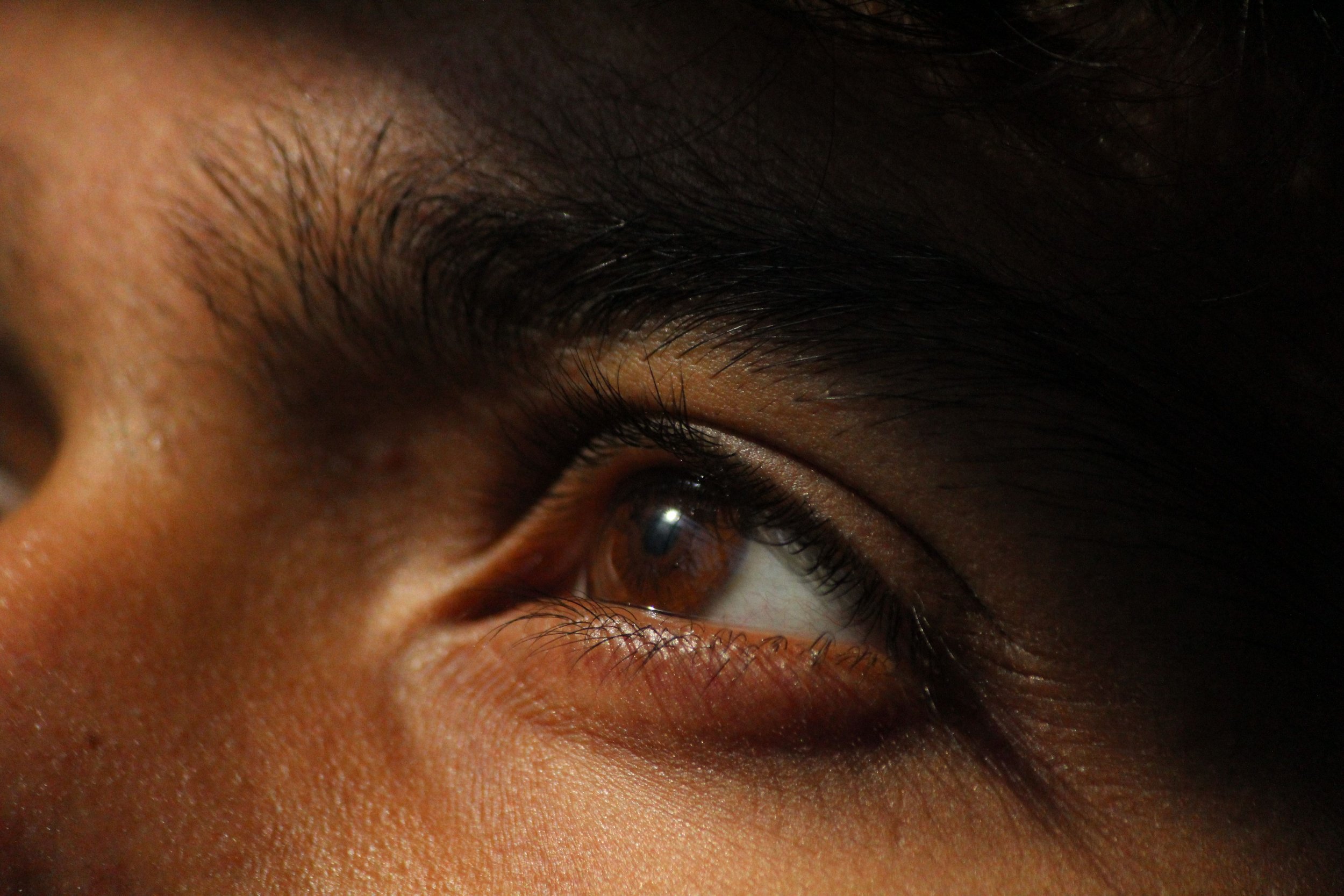
What separates us from other animals isn’t, as Dolly Parton’s character suggests in Steel Magnolias, the ability to accessorise. Are you aware of the three parts of our biology (in brain and body) and how to manage them to become more you?
Although this is still debated, our brain is designed to be aware of our environment first. Because it lives in the dark, it relies on our other senses. Before we can think or feel anything, we gather information from touch, smell, sight, hearing and taste. This part of our brain is also suspicious and negative to help keep us safe. Our brain is constantly scanning the bit of earth we live on and our bodies to first detect danger or threat. If we’ve ever had a threatening signal, it will predict that and tell you about it in a thought. It may not be true right now, but its job is to alert, not tell the truth. This is worth remembering if you want to manage your mind.
The next layer is your emotions, and they act as a rapid (and sometimes rabid) response to the environment. This starts when you’re new to the world and just, for example feel a rumble in your tum that causes distress. You later might identify it as hunger, but the distress is first an emotion which shows itself as tears and wriggling about as you tried to get rid of it. Your system will show a similar response to too much cold, heat, tiredness or fear. So, this is our first connection to interpreting our environment. Why is this important? Because the conclusions we make - and these are sometimes very early – are often through an immature system and might not be true. If, for example, my big hairy wrinkly grandfather was trying to make me laugh by playing peek a boo and had a very loud voice, I could conclude that hairy wrinkly men are to be feared, simply because one of the two fears we are born with are a fear of loud noises. That could sit in the back of my mind for years. So, this is the mind’s first system for finding clues: is this environment around us threatening, painful, pleasant or safe. Does what’s happening to me make me feel mad, bad, sad or happy? These emotional memories are often kept in our limbic system. They are not rational and operate separately from our rational brain.
Then, the thoughts we have are our interpretation of the world, taken from the parts of our brain that make up:
memory (our collected previous thoughts)
imagination (conscious mental images, sensations and ideas that aren’t yet real
attention (filtering distractions)
executive function (planning, reasoning, and problem-solving)
language processing (speaking and comprehending)
perception (interpreting senses)
spatial processing (navigating your surroundings)
Too much information?
Easier to remember our first awareness and basic signals come through our “What could possibly be wrong?” sensory brain, then, put a layer of remembered emotion to that and a thought attaches to that. If we take the memory of the loud grandad and say we have a very kind neighbour who looks like our grandad, for example, we could find we have mixed feelings about this man until we start questioning why we feel so ambiguous about him. That’s a simple way to show how the layers of our brains work.
Considering where your awareness begins, it's not difficult to see why we sometimes get stuck in certain areas of our lives. So what does this mean? And how can we use this understanding to become more fully ourselves and live the life we truly want?
One of the conclusions I have made is that if I find out where some of my blocks from my past are and get a clearer idea, like the loud grandad, of what the truth of it is, then the emotion-then-thought doesn’t bite me like it did when I was younger. This is a small example. You can imagine for bigger issues that big parts of your life could be held up completely.
And that’s not all. Once you realise that the part of your brain that triggers danger can hold you ransom ,and instead you can choose better alternatives to think about, then it’s easier to free up much of your mind to get what you want. All this then makes it easier to become who you were meant to be.
Exercise
Here’s something to try to understand this how this works for you. When you’re having a cuppa or brushing your teeth, ask yourself “what am I feeling?” Name it. (This in itself can be a big stretch for many, many people) Now if you can, as you realise what the feeling is, say it out loud. “I’m feeling calm/irritated/excited/cross right now.” Stay with the feeling for a few minutes. If you check in with yourself about 10 minutes later, what is the feeling now?
This is the start of awareness of how your brain is working for you
